
The Jury and the Power of Selection
The Brass VerdictThis thread traces Haller’s effort to shape an anonymous jury and the way a hidden conspirator corrupts the same process.
increasing Bearing strength in each event
 decreasing
Bearing strength in each eventdecreasingThe Anonymous Panel
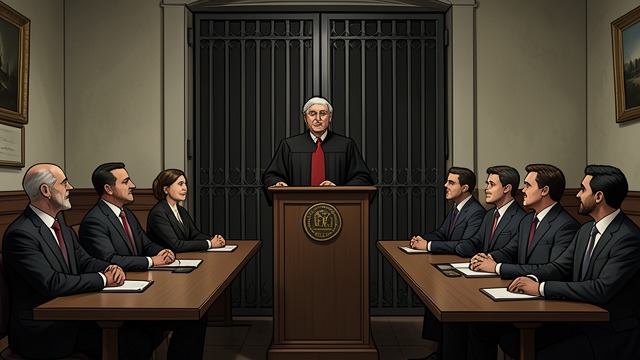
A Jury Without Names
Controlled identities
The court refers to prospective jurors by seat number to protect them from public attention. The judge calls candidates from a computer-generated pool, and both sides begin assessing their views.
A strategic contest
Haller wants jurors open to doubt about police and prosecution claims. Golantz seeks a panel more receptive to the state, making voir dire an early battle over how evidence will be interpreted.
Reading the Faces
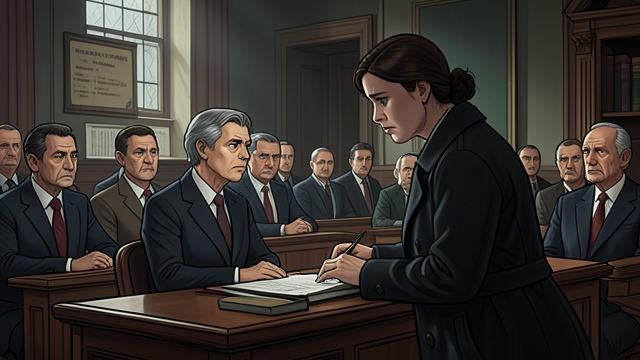
Intuition and Method
A consultant’s eye
Julie Favreau observes jurors and sends Haller quick judgments about deception, openness, and likely leanings. Her reading helps him distinguish between a juror’s words and demeanor.
A difficult final strike
Haller must choose between jurors he distrusts, while Elliot presses his own preference. The selection process reveals the limits of expertise: every decision remains a wager about people not yet tested by evidence.
The Planted Persuader

A Corrupted Random System
A sleeper placed
Elliot believes juror seven is the planted participant promised by Vincent’s intermediary. The juror’s apparent credentials and careful answers conceal a false identity.
Randomness defeated
The scheme exploits every stage of jury selection, from summons to the first seats in the box. A process designed to create a representative jury is turned into a tool for private influence.
The Defense’s Own Investigation
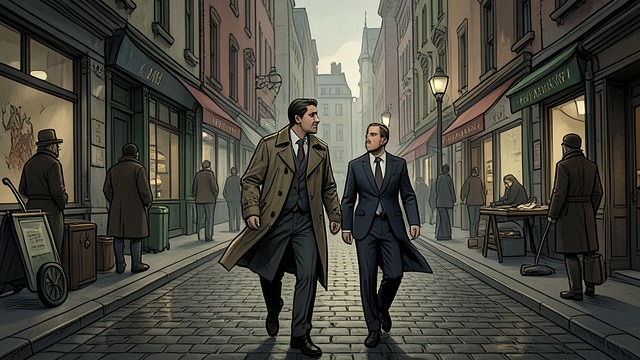
Haller Crosses a Line
Checking the juror
Haller asks Dennis Wojciechowski to follow juror seven and uncover his identity. The investigator finds false residence and employment claims, prior arrests, and signs that the name itself may be stolen.
Risking the court’s trust
The investigation may expose misconduct, but it also violates the spirit of the court’s anonymity protections. Haller acts because he fears the juror is part of the conspiracy, accepting professional risk to learn the truth.
A Seat Replaced
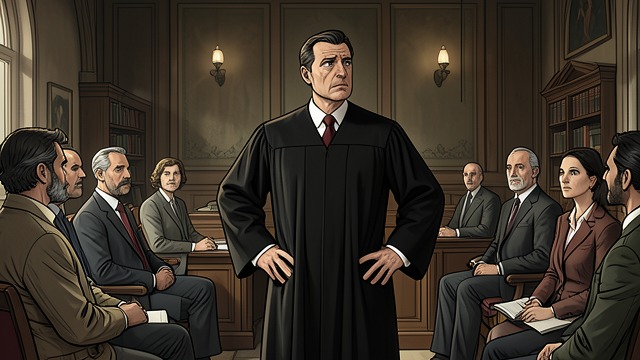
The Impostor Disappears
The judge’s discovery
An anonymous warning leads the court to find that the real summoned juror never appeared. The man in seat seven has vanished, and an alternate replaces him.
A fragile trial continues
The judge declines to declare a mistrial. Elliot is shaken because his confidence depended on the sleeper, while Haller insists that the defense must now win on its evidence.
The first morning of jury selection
The second day of jury selection
During voir dire and jury selection
The night before the juror is exposed
The Monday the defense case begins
